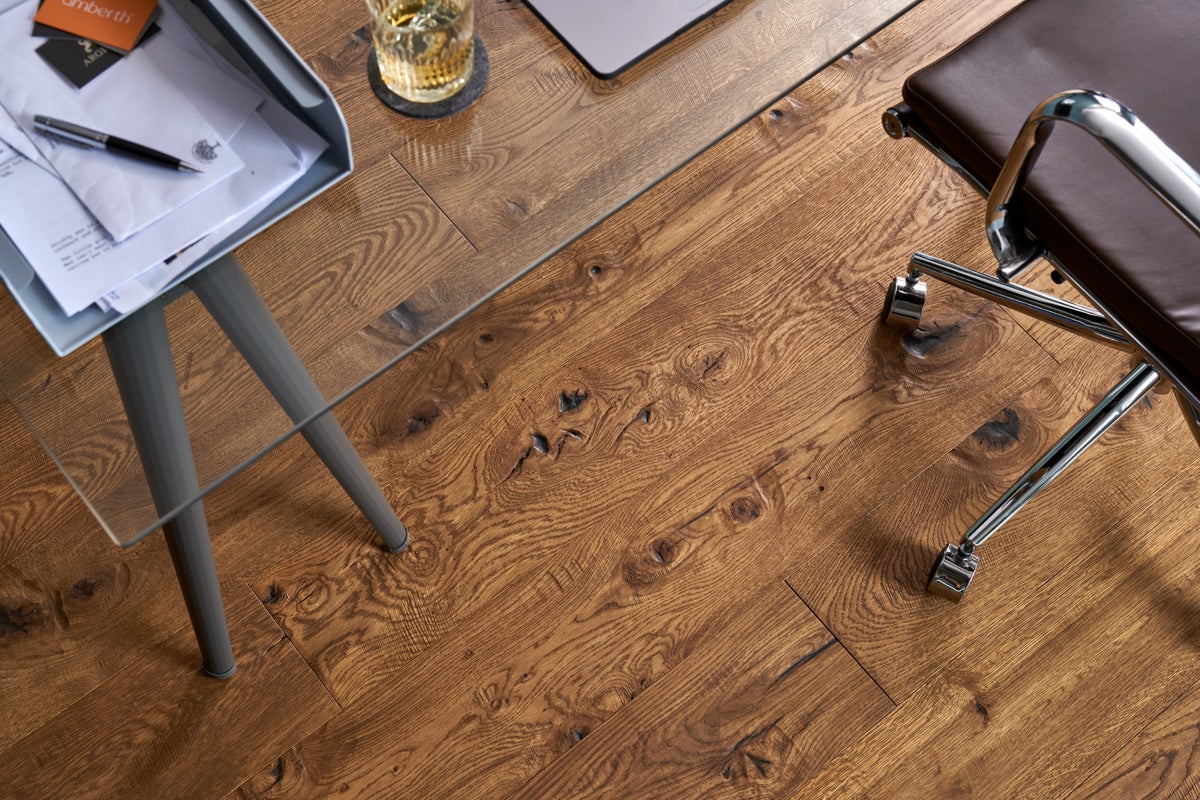
The gentle creak of a floorboard underfoot can evoke a sense of an old, charming home. However, when those occasional groans turn into a symphony of squeaks with every step, the charm quickly fades, replaced by frustration and disruption. Whether you're navigating a late-night snack run or simply moving through your living space, a constantly noisy floor can be incredibly annoying. Beyond the irritation, creaky floors often signal underlying issues that, if ignored, can lead to more significant problems down the line. Thankfully, many of these issues are surprisingly simple to address with a few DIY fixes.
Understanding Why Your Floors Creak: The Root Causes
Creaky floors are a common complaint in homes of all ages, but especially in older properties. To effectively quiet your floors, it's crucial to understand the "why" behind the noise. As Adrian Cox, managing director of Fix-A-Floor, points out, the type of flooring plays a significant role in the cause of creaks:
- Hardwood Flooring: Beloved for its timeless beauty and durability, hardwood is a natural material that reacts to its environment. The most common culprits here are wood shrinkage and loose nails or screws. As wood ages and experiences fluctuations in temperature and humidity, it naturally expands and contracts. This movement can cause boards to rub against each other, the subfloor, or the floor joists, creating friction and noise. Loose fasteners allow the boards to move freely, generating creaks.
- Laminate Flooring: Often chosen for its affordability and ease of installation, laminate can creak if its underlayment shifts or if the initial installation was improper. Laminate is typically a floating floor, and if the underlayment isn't stable or if there isn't enough expansion gap around the perimeter, the boards can rub and squeak.
- Carpeted Floors: While the carpet itself absorbs sound, creaks can still emanate from beneath. In these cases, the problem almost always lies with the subfloor or floor joists loosening over time. As these structural components settle or separate, they create gaps where movement and friction occur.
- Vinyl Flooring: Modern vinyl planks and tiles are popular for their water resistance and versatility. If vinyl flooring is making noise, it's often due to a weakening adhesive or issues with the subfloor beneath it, similar to carpeted areas.
Beyond the specific flooring type, environmental factors are powerful contributors. Mr. Cox emphasizes that "The older they are, the more likely issues will occur," highlighting the impact of time on structural integrity. Frequent changes in humidity and temperature are notorious for causing floors to warp, shift, and develop gaps. Any underlying subfloor issues or problems with the floor joists themselves will inevitably translate into noisy floorboards above, potentially requiring more extensive intervention.
More Than Annoyance: The Dangers of Ignoring Creaky Floors
It’s tempting to simply live with a creaky floor, perhaps convincing yourself it adds character to your home. However, ignoring these persistent noises is a mistake, as they are often symptoms of deeper problems. As Adrian Cox warns, "Ignoring these problems can lead to a snowball effect, causing significant and more noticeable issues further down the road."
What starts as a minor squeak can escalate into a range of issues:
- Structural Deterioration: Constant movement and friction can further weaken the connections between floorboards, subfloors, and joists. This can lead to increased stress on the entire floor system, potentially compromising its long-term integrity.
- Significant Damage: Small gaps can grow larger, allowing moisture to penetrate or leading to visible damage to the flooring material itself. Hardwood boards might warp or crack more severely, and laminate edges could lift.
- Trip Hazards: One of the most immediate dangers of neglected creaky floors is the creation of trip hazards. Loose floorboards that move excessively underfoot can shift unexpectedly, causing someone to lose their balance and potentially fall. This is particularly concerning in homes with children or elderly residents.
- Decreased Home Appeal and Value: Beyond safety, persistent noisy floors detract significantly from your home's comfort and aesthetic appeal. Potential buyers often perceive creaky floors as a sign of neglect or larger structural problems, which can negatively impact your property's market value. Living in a constantly noisy environment can also reduce your overall enjoyment and peace of mind in your own home.
Identifying the Culprit: Pinpointing Creaky Spots
Before you can embark on How To Fix Creaky Floors: DIY Solutions for Every Floor Type, you first need to identify exactly which areas are causing the trouble. This step is often straightforward but requires a bit of focused attention. Cox notes that creaks are most common in areas with high foot traffic and where furniture is placed or has recently been moved.
Here's a systematic approach to pinpointing the problem areas:
- Walk and Listen: Start by walking slowly across your entire floor, paying close attention to any creaks or squeaks. Note not just where the sound occurs, but also the specific pressure points that trigger it.
- Focus on High-Traffic Zones: Hallways, doorways, and paths between frequently used rooms (e.g., kitchen to living room) are prime candidates for creaks due to constant wear.
- Check Around Furniture: Move furniture slightly and walk in those areas. The shifting weight of heavy items can cause boards to settle and rub.
- Get a Partner: For quicker and more accurate identification, enlist the help of another person. Have one person walk around, identifying the sound, while the other kneels down and listens closely, or even looks for subtle movement in the floorboards. This collaborative approach can help pinpoint the exact board or area that's moving.
- Mark the Spot: Once you've found a creaky area, use a small piece of painter's tape or a removable pencil mark to clearly indicate the exact location. This will save you time when you begin the repair process.
- Test Different Directions: Walk over the marked spot from various angles. Sometimes a creak only appears when pressure is applied in a specific direction, which can give clues about the underlying issue.
Remember, some creaks might only be noticeable when the house is quiet, so choose a time when background noise is minimal.
How To Fix Creaky Floorboards: Simple DIY Solutions
Once you've identified the source of your floor's complaints, you'll be pleased to know that many remedies are well within the grasp of a confident DIYer. Here are some of the most effective methods for Silence Squeaky Floors: Shims, Lubrication & Tightening Methods.
Fixing From Below (If Accessible)
If you have access to the underside of your floor (from a basement or crawl space), this is often the most effective method, as it directly addresses the source of the movement.
- Identify the Gap: Use a flashlight to carefully inspect the area where the squeak originates. Look for any gaps between the top of the floor joist and the underside of the subfloor (or the floorboard itself if there's no subfloor). This gap is where the movement and friction are occurring.
- Prepare the Shim: Take a thin wooden shim or wedge. Apply a strong wood glue (e.g., carpenter's glue) to one side of the shim.
- Insert the Shim: Gently tap or push the shim into the identified gap. The goal is to fill the void without applying too much upward pressure. Be very careful not to push the shim in too far, as this could slightly raise the subfloor or floorboard above, creating a hump and a new problem. The shim acts as a wedge, preventing the board from moving when stepped on.
- Secure and Test: Once the shim is in place and the glue is dry, test the floor above. The creak should be gone. For added security, some DIYers also use a small screw to attach the shim to the joist, ensuring it stays firmly in place.
Lubricating From Above (No Subfloor Access)
When getting under the floor isn't an option, lubricating the points of friction from above can be a surprisingly effective solution for How To Fix Creaky Floorboards.
- Choose Your Lubricant: Powdered graphite is ideal due to its fine texture and excellent lubricating properties without being messy like oil. Talcum powder (baby powder) or even finely ground soapstone can also work in a pinch.
- Apply the Lubricant: Sprinkle a generous amount of your chosen powder directly onto the creaky floorboards, focusing on the seams and cracks between the boards that are making noise.
- Work it In: Using a soft, warm cloth or a stiff brush, gently but firmly work the powder into the cracks and seams. Walk over the area repeatedly to help the powder settle deep into the crevices. The powder will reduce the friction between the moving wood surfaces.
- Clean Up: Once the creak is gone, or significantly reduced, wipe away any excess powder with a damp cloth. Be thorough, as some powders can be slippery.
Tightening Loose Fasteners
Often, the simplest solution for a creak is a loose nail or screw allowing movement. This is a common and easy-to-fix problem for How To Fix Creaky Floorboards.
- Identify Loose Fasteners: Look for nails or screws that appear slightly raised or are surrounded by discolored wood, indicating movement. Sometimes, you can even feel a slight give around a fastener.
- Tighten Screws: If your floorboards are secured with screws, use a drill or a screwdriver to tighten them. Turn them clockwise until they are snug. Be careful not to overtighten, as this can strip the screw hole or damage the floorboard itself.
- Address Loose Nails: For nails, you have a few options:
- Re-secure: Use a nail set and hammer to drive the existing nail slightly deeper, ensuring it firmly holds the board to the subfloor or joist.
- Add New Screws: A more permanent solution is to carefully remove the problematic nail and replace it with a specialized flooring screw or a sturdy wood screw, angled slightly to bite into the joist. Alternatively, you can install a new screw right next to the loose nail, ensuring it goes through the floorboard, subfloor, and into the joist.
- Safety First: Always wear appropriate safety equipment, such as gloves and safety glasses, when working with tools.
For particularly stubborn creaks or if you suspect extensive subfloor damage or structural issues, it's always wise to consult a professional. They can provide a thorough assessment and recommend more comprehensive repairs that might be beyond the scope of DIY, such as reinforcing joists or replacing sections of the subfloor.
Creaky floors don't have to be an inevitable part of homeownership. By understanding the common causes and applying these straightforward DIY techniques, you can effectively silence those annoying noises and restore peace and quiet to your home. From reinforcing from below with shims to lubricating from above with graphite, or simply tightening a few screws, the satisfaction of a silent stride is well within reach. Don't let those squeaks diminish your home's comfort or value—take action and enjoy the quietude your floors deserve.